Beverage Bottling & Filling Machines: A 2027 Buying Guide for Gujarat
Food Mech Asia Journal ·
A beverage bottling line is a chain of connected operations. Packaging a drink involves more than filling a container: the packaging has to be handled, closed, identified and transferred to the next stage. Gujarat businesses planning packaged drinks should specify the beverage and container combination before comparing nominal machine speeds.
Quick answer: Beverage filling and bottling machines
Compare filling equipment in relation to the drink, package type, closure and validated processing arrangement. Evaluate the complete line—including bottle or container feed, filling, closure, coding, labelling and discharge—using actual output of acceptable packs. A specialist should confirm the product's processing and hygienic requirements.
Define the beverage and container format
Start with the types of drinks you actually intend to sell. Still, carbonated, pulpy and other beverage formulations have different handling requirements. The container material, neck design, closure and size also affect equipment compatibility.
Prepare physical container and closure samples, dimensional drawings where available and a relevant product specification. Ask which combinations the proposed equipment supports and which require change parts or a different line. Confirm the process selection and operating conditions with a qualified beverage technologist rather than treating the filler as responsible for the entire process.
Look beyond the filling station
A quotation may refer to a single filler, an integrated filler and closer, or a broader line. Compare the scope explicitly. Identify the equipment used for empty-container handling, filling, closure application, coding, labelling, inspection and finished-pack transfer.
A bottle may be filled correctly and still fail to move or close consistently if the surrounding equipment is incompatible. Ask vendors to identify interfaces, control responsibilities and the container specifications at each machine. If multiple equipment suppliers are involved, designate responsibility for overall line integration in writing.
Use a filling line calculation to identify bottlenecks
For an illustrative 1,000-litre production run packed into 500 ml bottles, you need 2,000 saleable bottles. If the filling window is four hours, the line must deliver 500 acceptable bottles per hour. At an assumed 80% productive availability, the nominal requirement is 625 bottles per hour before additional rejects.
Now imagine the label application station can reliably handle only 450 bottles per hour under the same conditions. It constrains the line even if the filler has a higher rating. These numbers are hypothetical planning inputs. Ask for witnessed throughput under the actual product, container and trial conditions.
Assess changeovers, closure quality and packaging
If the line will handle several bottle sizes, request a demonstration of a changeover. Check which guides, handling components, filling settings, closure parts and label adjustments are involved. Record the time and material required before the next consistent pack is produced.
Ask your supplier and quality team to agree on acceptance tests covering fill quantity, closure integrity, coding and label presentation. For any product-specific processing or microbiological performance requirement, use validated criteria from your qualified technical team. A visually appealing bottle is not proof of product stability or shelf life.
Confirm services, commissioning and after-sales support
Request a line drawing showing space, utility connections, operator positions and maintenance access. Make a separate list of utilities and supporting equipment included in the quotation, and have your site team confirm feasibility.
At the exhibition, compare the complete line rather than buying individual machines because their display prices look attractive. Ask exhibitors to explain their intended product range, change parts, spare supplies, local service and commissioning responsibilities. Arrange a controlled follow-up test before final acceptance.
Plan your supplier meetings at Food Mech Asia 2027
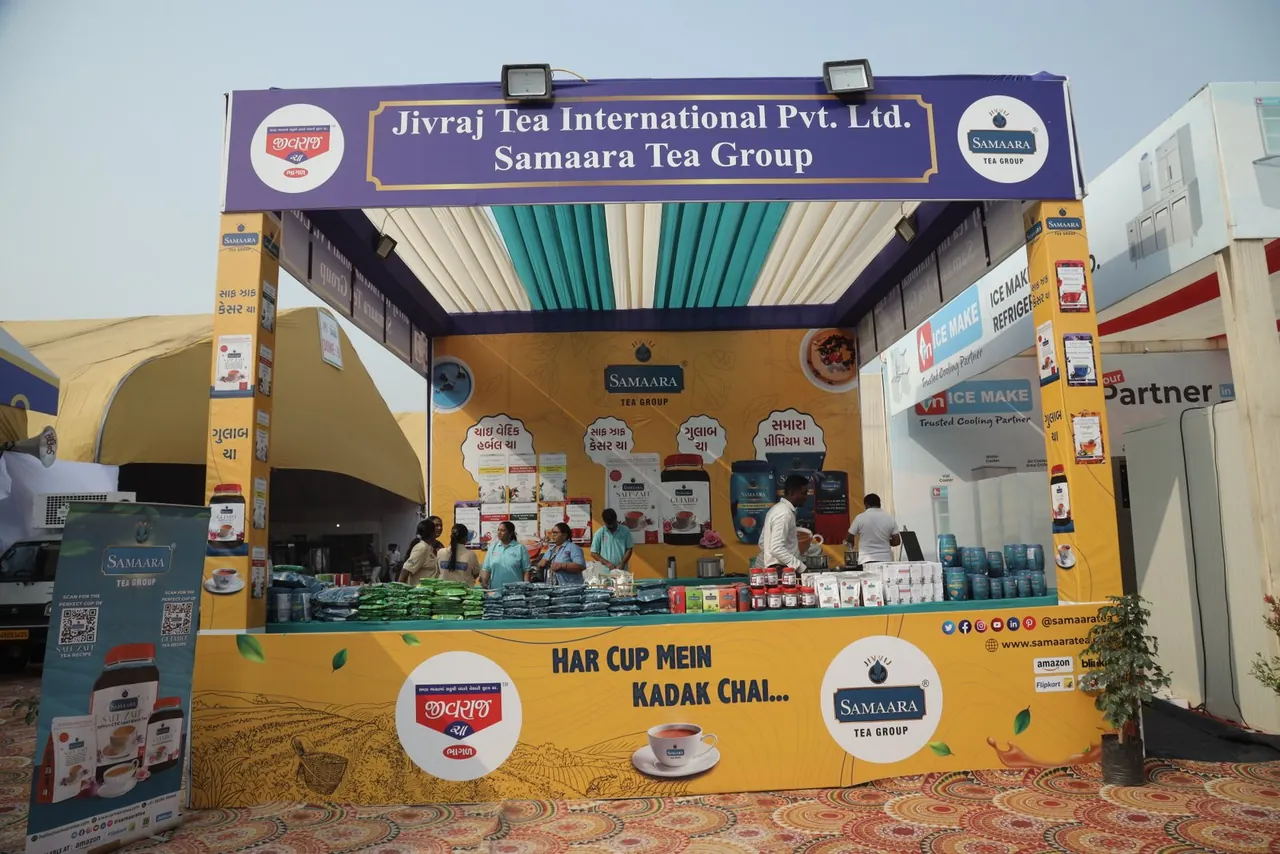
Food Mech Asia’s 16th edition is scheduled for 12–15 February 2027 at Vanita Vishram Ground, Surat, Gujarat, India. Review the official exhibition brochure and ask the organizer to confirm relevant participants, entry arrangements and the latest programme. The photographs on this page show earlier editions and are not a confirmed 2027 exhibitor list.
Get a visitor pass · Book an exhibition stall · Contact the organizer
Frequently asked questions
Which bottle filling machine is best for juice?
It depends on juice characteristics, the container and the validated process. A beverage specialist and the supplier should confirm compatibility through a product-specific assessment.
Can a single bottling line use many bottle sizes?
Some systems support multiple formats, but every proposed combination needs compatibility confirmation and a changeover plan.
How do I calculate bottles per hour?
Divide the product volume by the volume per container, then divide by the available production hours. Account for productive availability and rejects.
Where can I compare beverage machinery in Surat?
Food Mech Asia 2027 covers food industry technology. Check the confirmed exhibitor directory for relevant filling and packaging suppliers.
Related food industry guides
References and planning resources
- Food Mech Asia – official exhibition brochure
- Krones – examples of filling and packaging lines for different containers
This AI-assisted editorial guide is intended for procurement planning. Illustrated calculations are hypothetical, and manufacturers’ reference materials do not establish participation or endorsement at the 2027 exhibition. Confirm technical requirements with qualified professionals and suppliers.