Secondary Packaging Automation for Food Manufacturers: From Pouch to Carton
Food Mech Asia Journal ·
The retail package is not the end of many food manufacturing lines. Pouches, cartons, bottles and other finished packs often need to be grouped into transport or retail-ready cases. Secondary packaging decisions influence labour, handling, shipment preparation and the work needed to operate a line efficiently. The best automation project begins by identifying the precise handling problem.
Quick answer: Secondary food packaging automation
Measure the output of your primary packaging line, the count of units per carton or case, and the handling work at the end of the line. Then compare grouping, loading, case closing, coding or labelling and transfer equipment. Check the actual package and carton samples before choosing an automation level.
Separate primary packages from secondary cases
Primary packaging is the package holding the food product. Secondary packaging groups or protects those finished packs for downstream handling, such as retail presentation or shipment. Tertiary handling may involve assembling cases into larger logistics units. Define the scope of the equipment purchase before comparing quotations.
Map where primary packages exit the filler or sealer and how operators currently count, orient and place them into cartons. Record which operations are repetitive, which need inspection and which require a flexible response to product variations. The most valuable upgrade is often the station that limits overall output or requires excessive manual rework.
Calculate cases per hour, not just packs per minute
Suppose a packaging line produces 60 accepted pouches per minute and each case holds 12 pouches. Its steady output is 5 cases per minute, or 300 cases per hour. If secondary packaging can handle only 220 cases per hour, the difference is 80 cases per hour under these illustrative conditions.
That gap can be addressed through a different operating arrangement or an appropriately sized end-of-line system. Ask the supplier to explain how the grouping and loading sequence manages variations in product spacing without damaging packs. Validate net accepted case throughput during a representative trial rather than using a motor or conveyor speed as the only measure.
Choose the right level of automation
For a narrow product range and stable demand, a dedicated grouping and case loading system may be a candidate. If a factory changes pack formats frequently or works with short production runs, a more flexible combination of manual loading, conveying and assisted case sealing may be appropriate.
Compare the operation that is actually automated, not just the label automatic. Ask how carton supply, product orientation, case loading, closure and transfers are handled. Identify tasks that still require staff. Calculate whether the proposed arrangement fits the available floor area and realistic production volumes.
Test the pack, case and label as a complete unit
Provide representative primary packs and cartons from your own supply chain. Ask the equipment vendor to show product counting, alignment, handling and closure during a timed run. Evaluate damaged packs, miscounts, rejected cases and readability of the required printed information using criteria agreed with your quality team.
Discuss how carton dimension changes or different pack arrangements affect settings and change parts. Ask for a record of acceptable pack and case specifications. If any inspection equipment is proposed, define its purpose and appropriate validation by your technical team; do not assume a generic camera or checkweigher covers every quality requirement.
Check integration and acceptance before buying
An end-of-line system needs a clear interface with the upstream packer. Ask who manages communication between machines, stop and start behaviour, temporary accumulation and access for operators. Installation and appropriate machine guarding should be specified and evaluated by qualified engineering professionals.
Bring a simple layout and completed case sample to supplier meetings. Request written output criteria, utility requirements, changeover procedure, included installation and service commitments. Compare the complete cost and labour arrangement before and after the proposed upgrade. Avoid treating theoretical labour savings as guaranteed financial returns.
Plan your supplier meetings at Food Mech Asia 2027
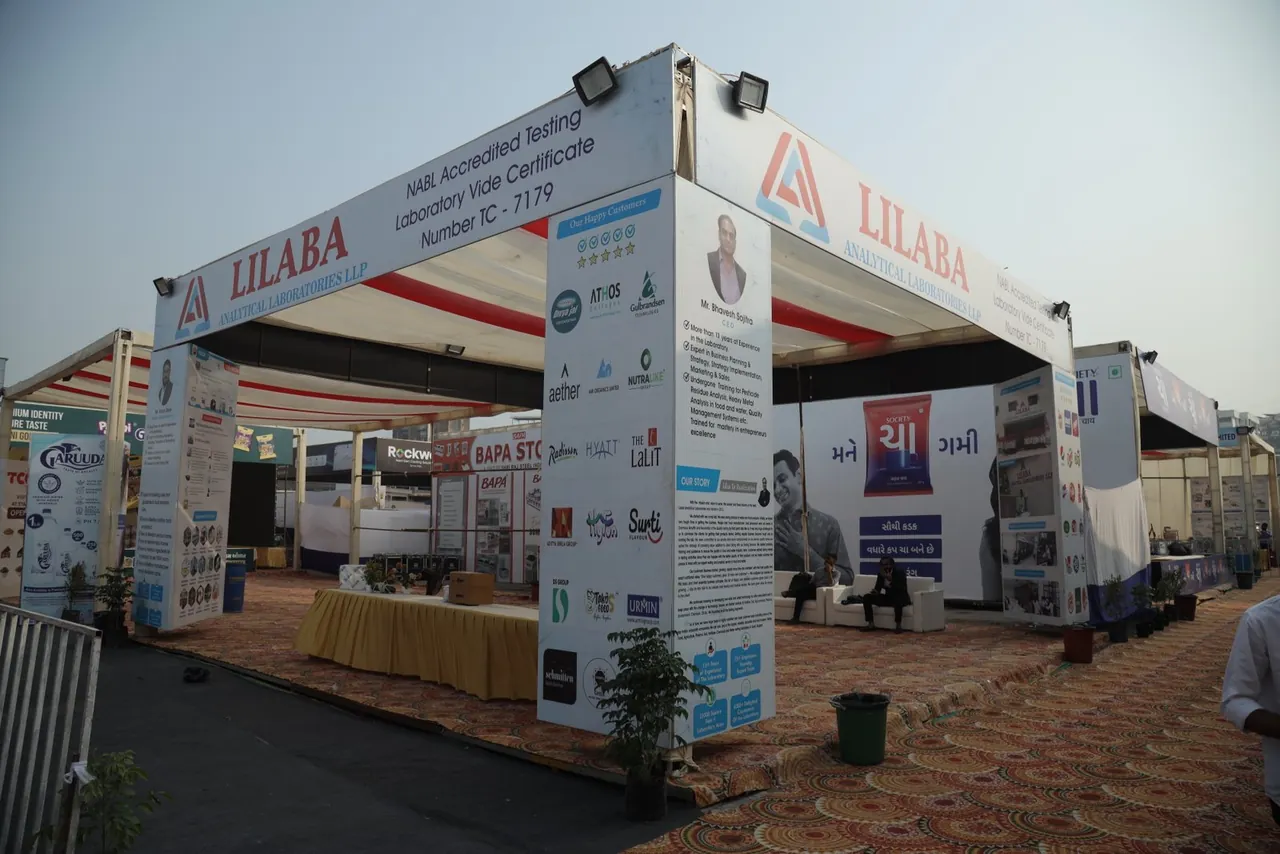
Food Mech Asia’s 16th edition is scheduled for 12–15 February 2027 at Vanita Vishram Ground, Surat, Gujarat, India. Review the official exhibition brochure and ask the organizer to confirm relevant participants, entry arrangements and the latest programme. The photographs on this page show earlier editions and are not a confirmed 2027 exhibitor list.
Get a visitor pass · Book an exhibition stall · Contact the organizer
Frequently asked questions
What is secondary packaging in food manufacturing?
It is packaging that groups or protects finished primary packs for downstream handling, presentation or transport, such as a carton containing multiple sealed pouches.
How do I calculate required carton packing speed?
Divide accepted primary packs per minute by packs per carton and multiply by 60 for cases per hour. Use consistent output and time assumptions.
Should every packaging line use automatic case packing?
No. The suitable automation level depends on volume, product variability, labour, available area and total cost.
Can I evaluate secondary packaging suppliers at Food Mech Asia?
Use the official participant directory or contact the organizer to confirm suppliers of the handling, labelling and packaging equipment you need.
Related food industry guides
References and planning resources
This AI-assisted editorial guide is intended for procurement planning. Illustrated calculations are hypothetical, and manufacturers’ reference materials do not establish participation or endorsement at the 2027 exhibition. Confirm technical requirements with qualified professionals and suppliers.