Bakery Equipment in Gujarat: How to Plan a Commercial Bakery Line
Food Mech Asia Journal ·
A bakery does not become more productive simply because it has a larger oven. Mixing, shaping, proofing where relevant, baking, cooling and packing all need to handle compatible batch sizes. Gujarat bakery owners planning new production or replacing a bottleneck can narrow their equipment shortlist by working backwards from the products they intend to sell.
Quick answer: Commercial bakery equipment in gujarat
Choose equipment by product family and daily output. A bread line may need dough mixing, dividing, shaping, proofing, baking and cooling; a biscuit or cookie operation needs a different forming and baking arrangement. Start with a process map, calculate the oven's useful batch capacity and ask suppliers to demonstrate your own recipe rather than a standard test product.
Map the bakery line before buying a machine
List your products, dough types, target piece weights and saleable quantities per shift. A bread mixer must be suited to the dough formulation and batch size, while cookie dough may need different handling and forming. Ask about changing tools or attachments between products and whether the machine is practical for short production runs.
Write each step on a process map: ingredient preparation → mixing → portioning and forming → any required proofing → baking → cooling → packaging. Mark each place where products wait. For bread, proofing capacity and bake cycle both matter; for biscuits and cookies, consistent forming and conveyor or tray handling can be the deciding factor.
Deck oven or rack oven: compare the production pattern
A deck arrangement can suit products that benefit from separate baking chambers, while rack-based equipment may suit batches of trays. Neither design is universally better. Compare chamber or rack dimensions, available trays, loading method, recovery between batches and the behaviour of your actual dough at the proposed settings.
A written quote should state the energy source, electrical load or other utility requirement, clearances, exhaust arrangements and the maximum permissible tray configuration. Compare usable tray space rather than only the outside dimensions of the oven. If you sell multiple products, ask whether you can run separate batches without costly delays.
Calculate the oven capacity with a real batch example
Suppose your planned oven configuration accepts 10 trays with 12 units per tray. If each batch takes a total of 30 minutes including loading and unloading, the theoretical capacity is 240 units per hour. If only 80% of that time is productive, the planning figure is 192 units per hour before rejects.
This is a worked illustration, not a recommended setting or a promised output. A larger oven will not help if shaping supplies only 150 units per hour or cooling racks cannot release products quickly enough. Ask the supplier for a timed, repeated test using your tray loading pattern. Record saleable units and the time needed to prepare the next batch.
Specify cooling, packing and cleaning space
Do not place a new oven in a layout without planning where hot trays go, where racks wait and how operators move between stations. Allow safe working clearances and have a competent designer review ventilation and installation requirements. Packaging must be matched to your finished product and process conditions; involve your quality team in evaluating product cooling and packaging readiness.
Request access to product-contact surfaces during the demonstration. Check how mixers, trays and forming tools are cleaned, how frequently wear parts need replacement and how easily staff can switch products. If your line handles ingredients with different allergen profiles, have the cleaning and segregation plan assessed by the appropriate specialist.
Bring a bakery-specific supplier comparison sheet
Take your product dimensions, recipe requirements where you can share them, tray sizes and intended shift output to the exhibition. Ask each supplier for batch capacity, cycle time, usable footprint, utility requirements, cleaning arrangements and a list of items excluded from the quotation.
For a meaningful trial, compare shape, colour, acceptable yield and repeated batch results, not just the appearance of one sample. Ask for written acceptance criteria and training arrangements. Keep the oven, mixer and forming equipment quotations separate until the complete production sequence has been checked.
Plan your supplier meetings at Food Mech Asia 2027
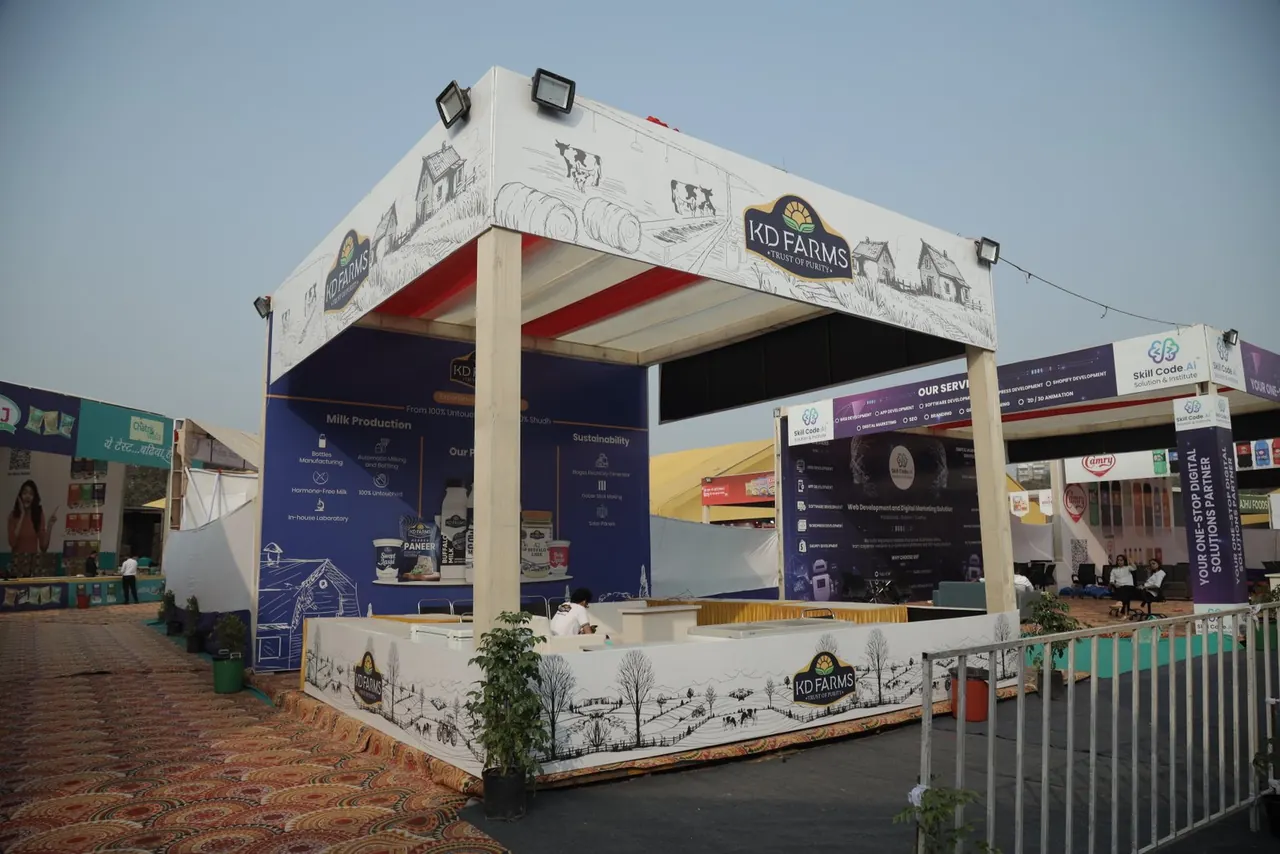
Food Mech Asia’s 16th edition is scheduled for 12–15 February 2027 at Vanita Vishram Ground, Surat, Gujarat, India. Review the official exhibition brochure and ask the organizer to confirm relevant participants, entry arrangements and the latest programme. The photographs on this page show earlier editions and are not a confirmed 2027 exhibitor list.
Get a visitor pass · Book an exhibition stall · Contact the organizer
Frequently asked questions
What equipment is needed to start a commercial bakery?
The list depends on your menu. Common categories include ingredient scales, mixers, forming equipment, ovens, suitable cooling racks and packaging equipment. Bread production may also require proofing equipment. Decide by product and output.
How do I choose a bakery oven size?
Use the actual tray capacity and complete batch cycle to estimate output. Check whether mixing, forming and cooling can support that output.
Should a small bakery buy automatic equipment immediately?
Not necessarily. A smaller business may find batch equipment and flexible manual handling more practical until demand and operating costs justify automation.
Where can I explore bakery equipment at Food Mech Asia 2027?
The exhibition takes place in Surat from 12–15 February 2027. Confirm the bakery equipment exhibitors and product demonstrations with the organizer before visiting.
Related food industry guides
References and planning resources
This AI-assisted editorial guide is intended for procurement planning. Illustrated calculations are hypothetical, and manufacturers’ reference materials do not establish participation or endorsement at the 2027 exhibition. Confirm technical requirements with qualified professionals and suppliers.