Food Processing Plant Setup in Gujarat: Machinery & Project Planning Checklist
Food Mech Asia Journal ·
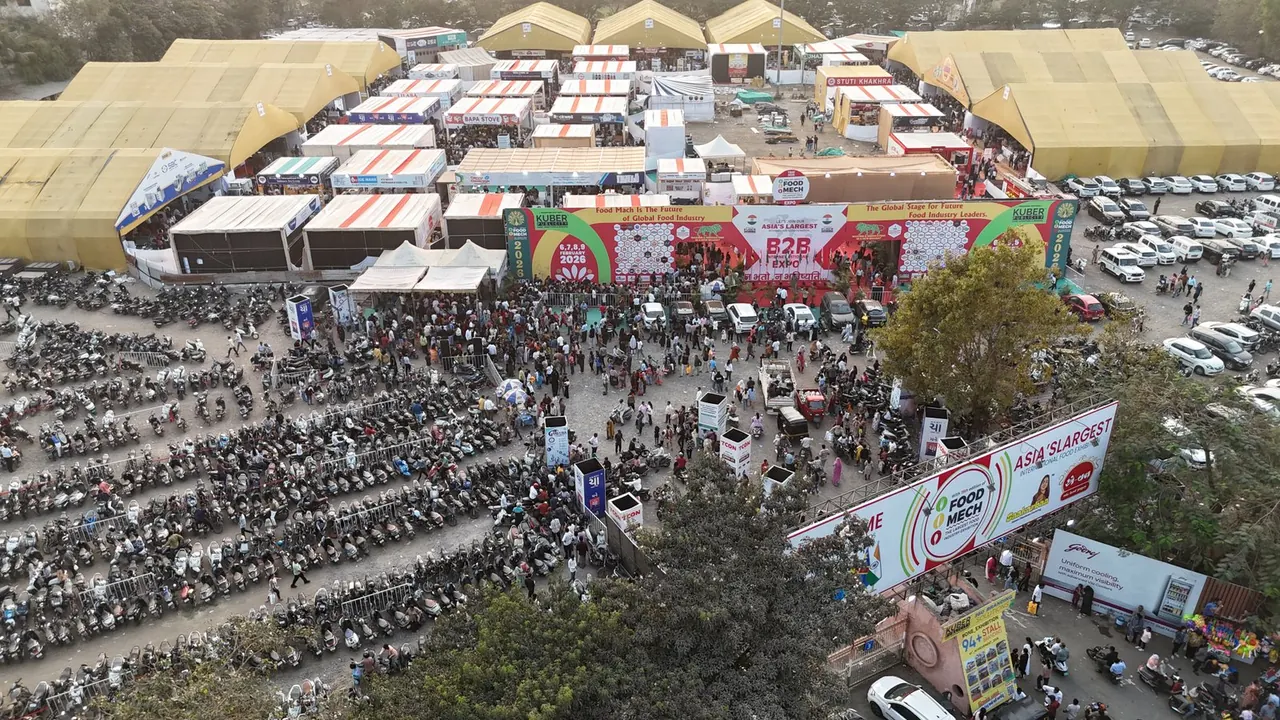
Setting up a food processing unit requires more than selecting machinery. A useful project brief connects the product, the customers, production volumes, operating site, utility services and complete process. A new entrepreneur or an established manufacturer in Gujarat can use the following checklist to identify what must be confirmed before seeking supplier quotations or committing to a factory investment.
Quick answer: Food processing plant setup in gujarat
Start by defining the product and verified demand, then develop a process flow and a capacity plan. Prepare an equipment specification, facility and utility requirements, implementation schedule, acceptance criteria and operating assumptions. Obtain advice from qualified food processing, engineering and compliance professionals before making commitments. Compare suppliers against the same brief.
Step 1: Validate the product and realistic demand
Describe the product family, pack sizes, intended selling channels, shelf-life requirements and how the business will obtain dependable raw materials. Talk to actual potential customers and distinguish confirmed orders from optimistic projections. A machinery specification based on a hoped-for sales figure can leave an expensive line underused.
Document the intended finished product specifications and work with the relevant qualified technologist to determine the manufacturing process. At this stage, keep the equipment enquiry broad enough to compare suitable technologies while ruling out machines that cannot meet the product requirements.
Step 2: Convert demand into a production plan
Suppose a hypothetical business needs to supply 12,000 accepted packs per month. With 24 production days, that is 500 accepted packs per day. If the planned productive packaging time is five hours per day, the required saleable output is 100 packs per hour. At 80% productive availability, the nominal starting point is 125 packs per hour before additional rejects.
This simple example shows how assumptions affect sizing. Calculate the equivalent raw material requirement using separately validated process yields, then check the capacity of every stage. Do not confuse machine input ratings with accepted finished product output. Use actual customer demand, product trials and operating constraints to revise the plan.
Step 3: Make a machinery and layout brief
For every process step, record the required input, intended output, capacity basis and necessary quality checks. Identify material transfer between machines and how operators handle products. Include storage, utility systems and packing rather than treating them as afterthoughts.
Prepare an equipment schedule with machine dimensions, delivery access, maintenance space and utility requirements. Have a qualified engineering and food facility design team assess the proposed site and workflow. The project layout should be reviewed before ordering fixed equipment, not after deliveries arrive.
Step 4: Keep project costs separate from machine prices
Build a planning workbook that separates machinery, transport, installation, commissioning, site modifications, utilities, professional fees and operating resources. Include realistic estimates for raw material purchases, packaging, wages, routine maintenance and money tied up in inventory. Obtain written quotations for the items rather than assuming a standard factory setup cost.
For official background on project documentation, the Ministry of Food Processing Industries provides information on food processing project components and detailed reports. That does not establish your eligibility for any subsidy or guarantee financing approval. Confirm applicable requirements and obtain professional advice for funding or regulatory decisions.
Step 5: Define acceptance, training and the implementation sequence
Ask each equipment vendor to identify the technical documents, delivery obligations, installation prerequisites and acceptance tests included with its machine. Decide which site or product trials are necessary with your specialist team, and record responsibilities for commissioning, training and service support.
Set milestones such as site readiness, equipment delivery, installation, controlled testing, staff training and formal acceptance. At each milestone record the evidence required before releasing the next project stage. Final production should begin only when the relevant operating, quality and compliance requirements have been assessed.
Step 6: Take a focused procurement brief to the exhibition
Prepare a one-page brief covering the product, planned output, pack formats, existing site or intended location, utility constraints, budget categories and questions for the supplier. Bring representative materials where appropriate and arrange controlled demonstrations or follow-up meetings.
Use Food Mech Asia 2027 to discuss the individual capabilities that your project needs, including processing, packaging, refrigeration, commercial equipment and related services. Check the final exhibitor list and do not assume every desired technology will be demonstrated. Leave the event with a written comparison matrix, a shortlist and a plan for verifying remaining technical questions.
Plan your supplier meetings at Food Mech Asia 2027
Food Mech Asia’s 16th edition is scheduled for 12–15 February 2027 at Vanita Vishram Ground, Surat, Gujarat, India. Review the official exhibition brochure and ask the organizer to confirm relevant participants, entry arrangements and the latest programme. The photographs on this page show earlier editions and are not a confirmed 2027 exhibitor list.
Get a visitor pass · Book an exhibition stall · Contact the organizer
Frequently asked questions
What is the first step in setting up a food processing plant?
Define the product, target customers and realistic demand. Work with qualified specialists to establish the process before specifying machinery.
How do I calculate food factory machine capacity?
Start with accepted output required per shift and the actual available production time. Use validated material yields, productive availability and rejects to check every stage.
Does the machinery price represent the full project cost?
No. Site works, installation, utilities, service, training, inventory and other operating resources also need to be included in the project estimate.
Does visiting Food Mech Asia guarantee a supplier or project approval?
No. The exhibition provides a place to explore equipment and discuss commercial arrangements. Confirm suppliers, product compatibility and any applicable approval requirements separately.
Related food industry guides
References and planning resources
- Food Mech Asia – official exhibition brochure
- Ministry of Food Processing Industries – project documentation
This AI-assisted editorial guide is intended for procurement planning. Illustrated calculations are hypothetical, and manufacturers’ reference materials do not establish participation or endorsement at the 2027 exhibition. Confirm technical requirements with qualified professionals and suppliers.