Commercial Kitchen Equipment in Surat: A HoReCa Buying Checklist
Food Mech Asia Journal ·
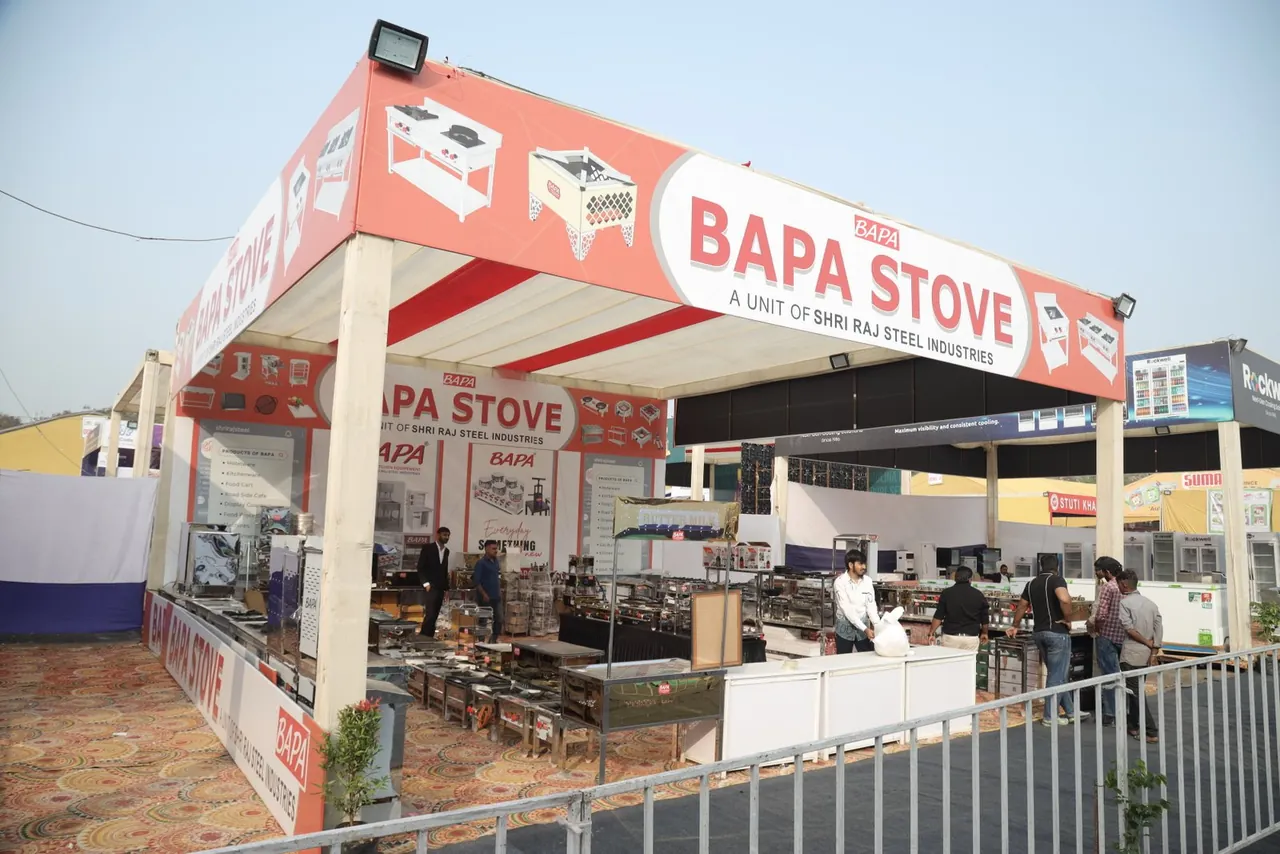
A restaurant, hotel kitchen, caterer and central kitchen can serve similar dishes but have different operating patterns. Buying equipment from a catalogue without examining the menu and peak demand can create expensive shortages at the busiest station. A practical HoReCa procurement plan defines the work that must happen in each station and the space and services available to support it.
Quick answer: Commercial kitchen equipment in surat
Begin with the menu and peak service volume, then specify receiving and storage, preparation, cooking, holding or plating, washing and waste handling. Estimate each station's output and have the site layout and services reviewed by suitable professionals. Evaluate equipment from suppliers that can demonstrate your actual workflow.
Design the kitchen around the service model
List the dishes that generate the most orders, the time they are ordered and the equipment they share. A kitchen that serves plated restaurant meals has different demands from a caterer preparing large batches in advance. Do not size every station using an average order number.
Draw the paths travelled by ingredients, cooked products, used utensils and staff. Check where work surfaces or access routes overlap. Discuss a suitable separation of activities and cleaning provisions with your kitchen designer and quality adviser, especially where the menu includes varied raw materials.
Estimate the peak cooking load
Consider an illustrative service window in which 120 orders need to be completed over two hours, with 60 orders requiring the same cooking station. That station needs to support 30 relevant orders per hour before allowing for interruptions. If each batch yields 6 orders and takes a complete 15-minute cycle, the theoretical output is 24 orders per hour.
The example shows a bottleneck, even if the restaurant's other stations have spare capacity. You might change the service plan, batch method or equipment configuration after a real trial. These calculations do not prescribe cooking parameters; your culinary team and qualified advisers must confirm product quality and safe processes.
Choose preparation, cooking and holding as a system
Compare preparation tables, suitable cutting or mixing appliances, cooking ranges, ovens, kettles or other batch cooking equipment according to your menu. If one station depends on products from another, account for travel and transfer work in the service plan.
For each appliance, request the usable capacity, operating clearance, installation responsibilities, service access and required utility connection. Equipment described by the same volume or number of burners may behave differently during continuous operation. Ask for a demonstration representative of your menu rather than selecting it by a nominal specification alone.
Check ventilation and installation before ordering
Obtain equipment dimensions and a technical drawing before committing to the purchase. Confirm whether the proposed location can accommodate the unit, service space and access for delivery. Discuss electrical capacity, gas arrangements where applicable, extraction, fire safety and drainage with qualified site professionals.
Do not improvise gas, electrical or ventilation modifications to fit an appliance after delivery. Request a written list of included and excluded installation work. Review the cost and timetable for modifying the site before evaluating the equipment price.
Prepare a service and spares checklist
Ask how the machine can be cleaned during a normal service cycle and whether wear parts are locally available. Request warranty scope, training, spare parts lists and service arrangements for Surat or your actual operating city.
For the exhibition visit, make a one-page brief with your menu categories, peak service estimates, existing layout, utility constraints and the date when equipment is needed. Discuss one bottleneck at a time. A useful procurement meeting ends with a model shortlist, site survey requirements and specific questions that the supplier will answer in writing.
Plan your supplier meetings at Food Mech Asia 2027
Food Mech Asia’s 16th edition is scheduled for 12–15 February 2027 at Vanita Vishram Ground, Surat, Gujarat, India. Review the official exhibition brochure and ask the organizer to confirm relevant participants, entry arrangements and the latest programme. The photographs on this page show earlier editions and are not a confirmed 2027 exhibitor list.
Get a visitor pass · Book an exhibition stall · Contact the organizer
Frequently asked questions
What commercial kitchen equipment should a new restaurant buy first?
The answer depends on the menu and service volume. Begin with essential cooking, preparation, storage and washing stations, then assess the equipment dimensions and required services.
How do I estimate equipment capacity for catering?
Calculate the planned saleable portions per service period and the actual batch yield and complete cycle time. Account for preparation, handling and interruptions.
Can I install a commercial gas range without professional planning?
Have gas, ventilation, electrical and fire safety arrangements reviewed by a qualified site professional before ordering or installing equipment.
Where can restaurant owners explore equipment at Food Mech Asia?
Food Mech Asia 2027 is scheduled at Vanita Vishram Ground, Surat. Confirm HoReCa equipment exhibitors with the organizer before the event.
Related food industry guides
References and planning resources
This AI-assisted editorial guide is intended for procurement planning. Illustrated calculations are hypothetical, and manufacturers’ reference materials do not establish participation or endorsement at the 2027 exhibition. Confirm technical requirements with qualified professionals and suppliers.